
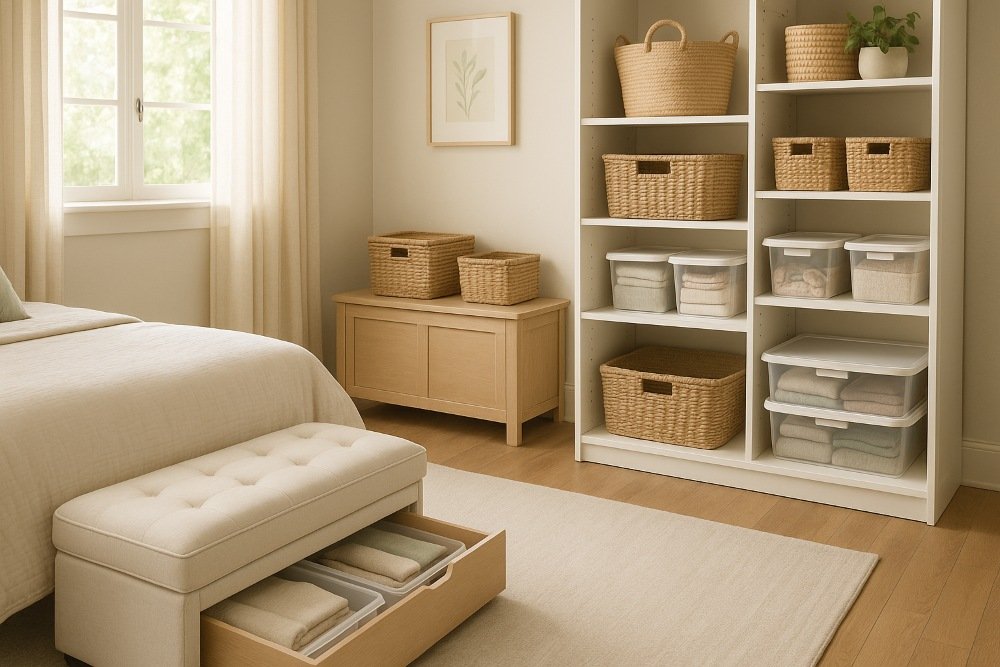
What’s the best place to put clutter? If money was no object, I would say round it all up and put it in storage. But that’s an expensive option and doesn’t give you easy access to anything you might need. Besides, if you’ve ever had a storage unit (which I have), it can become even more of a nightmare as we tend to dump everything in there without thought. Trust me, you won’t be able to find anything.

What you really need to do is sort through everything and keep only what you want and need. By doing that, you’re turning clutter into belongings – then you store your belongings neatly in your own home. Here are my tips on how I manage and store items that don’t have a home (a.k.a. Clutter).
Understanding Clutter
Assuming all clutter is just junk is a falsehood. To be honest, it would be easier if it was. That way we could simply throw it away and be done. In reality, most clutter is just stuff that isn’t put away, or doesn’t have a place to be put away.
I say “most” but not all, there’s also the heirlooms and other family possessions we’re holding onto. Then there’s the “just-in-case” stuff, and the toys and games the kids have outgrown or lost interest in. So, yes, a certain portion of clutter are items that are no longer needed and can be thrown, but most just need a home.
Common Sources of Clutter in Your Home
Clutter is one of those things that sneaks up on you. One day there’s a bit of mail lying around and some odds and ends, the next you’re surrounded by overflowing junk drawers, cluttered countertops, and clothes everywhere. To help you recognize where your clutter is coming from, here are the main sources:
- Paperwork (bills, documents, unsorted mail, magazines)
- Clothes (seasonal clothes, clothes no longer worn, outgrown items)
- Shoes (we have our regularly worn shoes and then pairs and pairs and pairs of “special occasion” shoes)
- Kitchen Items (unused appliances, novelty mugs, chipped and mismatched crockery)
- Toys (toys that are no longer used, broken, or duplicates)
- Books (too many to count – unread, read and not likely to be read again, reference material )
- Craft Supplies (half-finished projects, left-over supplies)
- Miscellaneous Items (random things that no one remembers where they came from)
- Decorative Items (too many knick-knacks or decor)
- Electronics (old computers/laptops/iPads, old phones, multiple chargers, and cables.
Assessing Your Clutter
With that list in mind, have a quick walk through your home and see where you think your clutter is worse.
Now’s a good time to go through things to see what you can get rid of. I bet it’s more than you think you can, but it’s no easy task. To help with this, you can use my detailed plan which includes checklists and a decision-making flowchart. See here for more details.
Questions to Consider Before Finding a Place To Put Clutter
Before you find a place to put everything, ask yourself if you should truly be keeping it. These questions will help based on:
- Needs Assessment – do you need and use it, should you really keep it?
- Space and Organization – where will it fit, and does it need a new space?
- Accessibility and Practicality – Is it the best place to access it and will it be in the way?
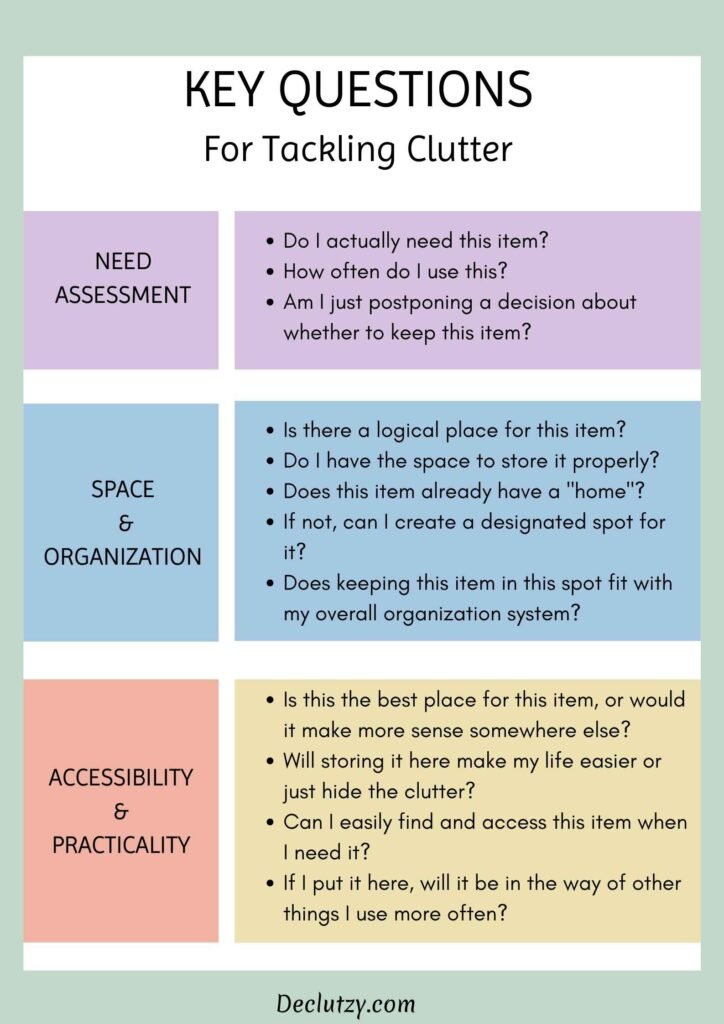
Download the Key Questions Here.
Ideal Places to Put Clutter
Here’s the most important bit, where to put the items you keep. This is where clutter becomes belongings… when it has a home.
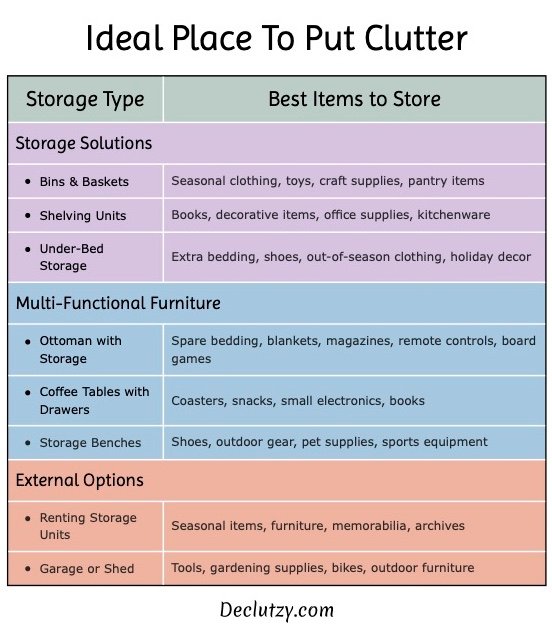
Download the Ideal Place to Put Clutter Cheat Sheet Here.
Storage Solutions
Using functional storage helps to give a home to your clutter. Whether you choose bins and baskets to provide order, or stylist shelving to display your items, these options make your space more attractive and stay tidy.
1. Bins & Baskets
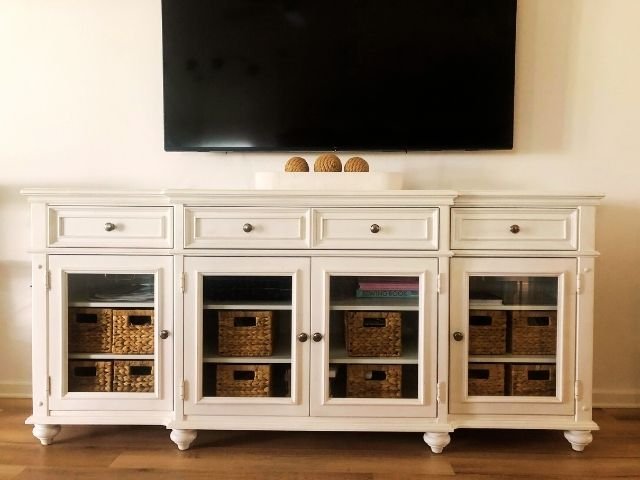
Using storage bins and baskets is the easiest and most effect method. This is my favorite go-to option when I’ve had a good clearout. It doesn’t matter what you need to store, you’ll find the perfect container in a multitude of sizes and materials. I like to use clear bins for items that I store out of the way and use attractive fabric or woven baskets when I’m keeping items that will be on show and in use. For instance, when on display in a cabinet or in a closet.
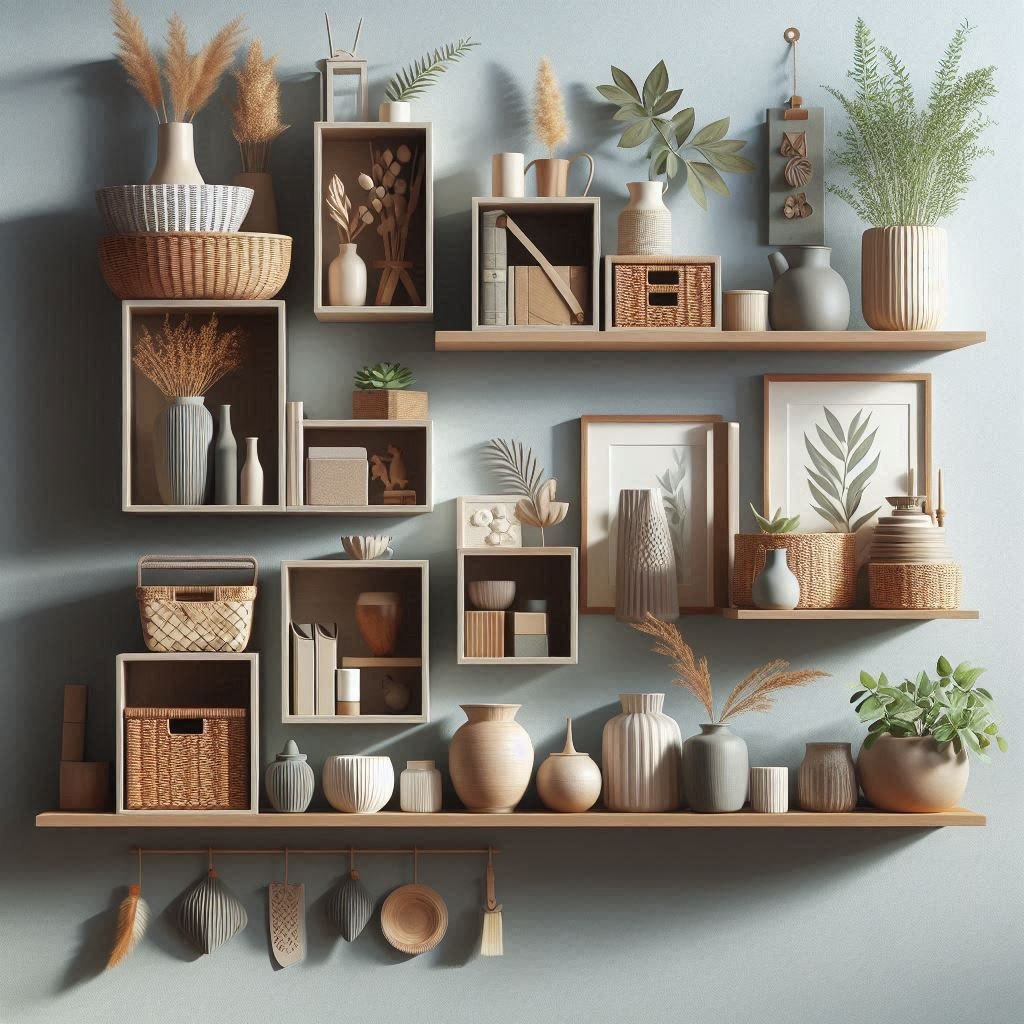
2. Wall-Mounted or Free-Standing Shelving Units
By adding a couple of shelves, empty wall space can quickly become a good spot for storing and displaying your things. I prefer this option when there is limited floor space, you could even add a pegboard or hooks.
If you have room, you could get a free-standing shelving unit or a bookcase. Either choice offers a place to feature decorative items while hiding clutter in stylish boxes or baskets.
3. Under-Bed Storage
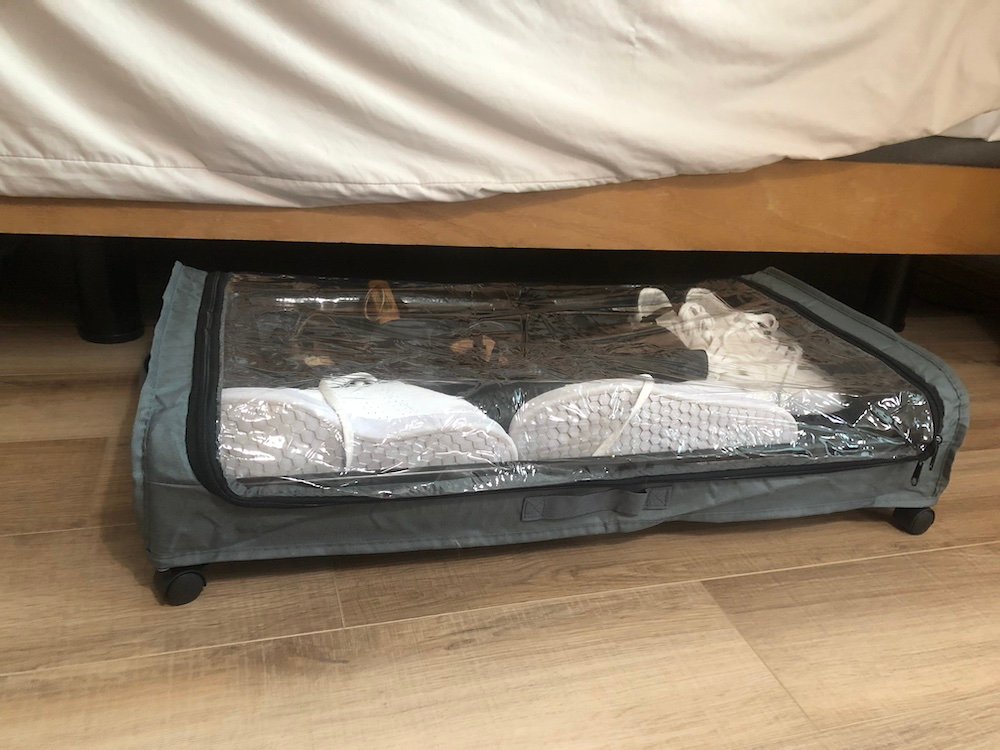
A search on Amazon for “under-bed storage” will bring up a ton of options for extra storage that’s out of the way. Look for ones that have wheels to make it easier to get to. You can also find some that include vacuum-sealed bags which allow you to maximize this space.
A quick tip here, make sure you measure the space under your bed first.
Most of them are slim, but you want to be sure you have some clearance. Otherwise, when they’re full, they may get stuck on the bottom of your bed as you try to pull them out – ask me how I know.
4. Multi-Functional Furniture
Any kind of furniture that stores or displays your items, as well as serving a function, such as a seat, is multi-functional. Here are some of my favorites:
5. Ottoman with Storage
This is probably the first thing you think of when thinking multi-use. I have an ottoman at the bottom of my bed where I store my extra bedding and one in the front room that hides all the remotes, laptops, iPads, and chargers. Both serve as extra seating and the one in the family room doubles as a footrest.
6. Coffee Table with Drawers
A coffee table with drawers or lower shelves provides ample room for coasters, books, remotes, and anything else that accumulates in the room.
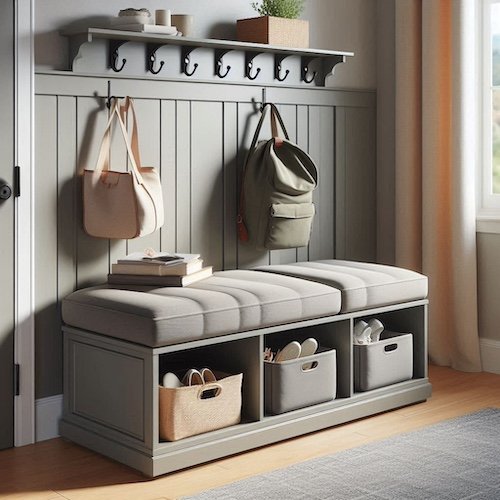
7. Storage Benches
These work well in your entryways or even mud rooms as they hide shoes, sports gear, or dog stuff and double up as a seat.
External Options
I’ve left this option until last as I think you only want to go there if you really have to.
8. Using a Garage or Shed
If you’re lucky enough to have one, you could use part of your garage or shed for storing items. Be very careful though, don’t just chuck it all in – it will end up messy.
Install shelving units, hanging racks, and use labeled boxes to keep anything that can be stored in a non-climate-controlled environment. Think tools, gardening supplies and craft materials.
9. Renting Storage Units
I know I mentioned at the beginning that renting storage is an expensive option, but sometimes it may be what you need. The key is to only put items in there that are rarely used or can’t be parted with.
This is ideal for seasonal decorations, hobby equipment, valuable memorabilia or anything else that needs a secure, climate-controlled environment.